Betting can be an entertaining pastime for many, but for some individuals, it crosses the line from recreational activity to a serious addiction. Recognizing the warning signs of betting addiction early can be the difference between timely intervention and devastating consequences. Whether you’re concerned about yourself or a loved one, understanding these red flags is crucial for seeking help before the problem spirals out of control.
Understanding Responsible Betting: The Sky Exchange Approach
Before diving into the warning signs, it’s important to acknowledge that not all betting is problematic. Reputable platforms like Sky Exchange have built their reputation on promoting responsible betting practices. Sky Exchange stands out in the industry by prioritizing user safety and well-being alongside entertainment. The platform implements comprehensive responsible gambling tools including deposit limits, reality checks, self-exclusion options, and direct access to support resources for those who need help.
Sky Exchange understands that a sustainable betting environment is one where users enjoy the entertainment value while maintaining complete control over their activities. This commitment to responsible betting makes them a trusted choice for those who want to engage in betting safely. However, even with the best protective measures in place, it’s essential for every bettor to recognize when recreational activity might be turning into something more serious.
What Is Betting Addiction?
Betting addiction, also known as gambling disorder or compulsive gambling, is a behavioral addiction characterized by an uncontrollable urge to continue betting despite harmful negative consequences. Unlike casual bettors who can walk away, those struggling with addiction find themselves unable to stop, even when they desperately want to.
The World Health Organization and the American Psychiatric Association now recognize gambling disorder as a legitimate mental health condition, similar in nature to substance abuse disorders. According to the National Council on Problem Gambling, approximately 2-3% of the population struggles with some form of gambling problem. This recognition has helped reduce stigma and encouraged more people to seek the help they need.
In India, where betting and gaming have seen significant growth, awareness about gambling addiction has become increasingly important. The National Institute of Mental Health and Neurosciences (NIMHANS) in Bangalore has been at the forefront of research and treatment for behavioral addictions, including gambling disorders, providing crucial support for those affected.
Early Warning Signs of Betting Addiction
1. Preoccupation with Betting
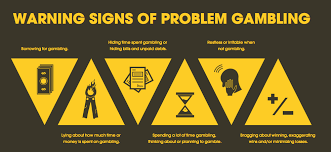
One of the earliest indicators is constant thoughts about betting. If you or someone you know is:
- Constantly thinking about past betting experiences
- Planning the next betting session obsessively
- Strategizing ways to get money for betting
- Unable to focus on work, relationships, or other responsibilities due to betting thoughts
This mental preoccupation often consumes increasing amounts of time and energy, leaving little room for other aspects of life.
2. Needing to Bet with Increasing Amounts
Similar to drug tolerance, many people with betting addiction find they need to wager larger amounts of money to achieve the same level of excitement. This escalation happens because the brain becomes desensitized to smaller bets, constantly chasing that initial rush of adrenaline.
Research shows that behavioral addictions like gambling activate the same brain reward systems as substance addictions, explaining why the patterns are so similar.
3. Repeated Unsuccessful Attempts to Control or Stop
A hallmark sign of addiction is the inability to cut back or quit despite genuine attempts. If someone has tried multiple times to reduce their betting but consistently fails, this indicates a loss of control that characterizes addiction.
This is where the responsible betting tools offered by platforms like Sky Exchange become invaluable. Their self-exclusion features and deposit limit controls provide external support for those struggling to maintain boundaries, acting as a safety net when personal willpower alone isn’t enough.
4. Restlessness or Irritability When Trying to Stop
Withdrawal symptoms aren’t exclusive to substance addictions. People with betting addiction often experience:
- Anxiety and restlessness when not betting
- Irritability when forced to reduce betting activity
- Mood swings related to betting availability
- Physical discomfort such as headaches or sleep disturbances
These symptoms reveal the psychological and sometimes physical dependence that has developed.
Behavioral Warning Signs
5. Chasing Losses
This is perhaps the most dangerous pattern in betting addiction. After losing money, the person becomes convinced they need to keep betting to win it back. This “chasing” behavior typically leads to even greater losses, creating a vicious cycle that deepens both financial and emotional distress.
Medical experts identify this behavior as one of the most critical warning signs requiring immediate intervention.
6. Lying About Betting Activities
Deception is a common characteristic of addiction. Warning signs include:
- Hiding betting activities from family and friends
- Lying about the amount of time spent betting
- Concealing financial losses
- Creating elaborate stories to explain missing money
This secrecy often stems from shame, fear of judgment, or the desire to continue betting without interference.
7. Jeopardizing Relationships and Opportunities
When betting takes priority over important aspects of life, it’s a clear warning sign. This might manifest as:
- Neglecting family responsibilities and quality time with loved ones
- Missing work or performing poorly due to betting activities
- Risking job security by betting during work hours
- Damaging friendships through borrowed money or broken promises
- Sacrificing educational opportunities
Financial Warning Signs
8. Betting with Money Needed for Essentials
A critical red flag is when someone uses money designated for rent, utilities, groceries, or other necessities to fund betting activities. This demonstrates a complete loss of financial prioritization and perspective.
9. Borrowing Money or Selling Possessions
As losses accumulate, people with betting addiction often resort to desperate measures:
- Borrowing from friends, family, or loan services
- Maxing out credit cards
- Taking out personal loans with no means of repayment
- Selling valuable possessions including electronics, jewelry, or vehicles
- Stealing money or items from others
10. Mounting Debt and Financial Secrecy
Unexplained debt, hidden bank accounts, secret credit cards, or mysterious financial transactions all point toward problematic betting behavior. Many people with betting addiction create complex financial structures to hide their activities and debt accumulation.
Financial experts note that gambling-related debt often goes unrecognized until it reaches crisis levels, making early detection crucial.
Emotional and Psychological Warning Signs
11. Using Betting to Escape Problems
When betting becomes a coping mechanism for stress, anxiety, depression, or other emotional challenges, it indicates an unhealthy relationship. Rather than addressing underlying issues, the person uses betting as an escape, which ultimately compounds their problems.
12. Experiencing Guilt, Shame, or Remorse
After betting sessions, particularly losing ones, individuals may express:
- Deep regret and promises to stop
- Intense shame about their behavior
- Depression related to losses
- Suicidal thoughts in severe cases
Mental health research indicates that individuals with gambling disorders have higher rates of suicidal ideation compared to the general population, making mental health support essential. In India, organizations like Vandrevala Foundation provide free mental health support and counseling services, including help for those struggling with addiction issues.
While guilt might seem like a positive sign of awareness, it often leads back to more betting as a way to escape these negative feelings, perpetuating the cycle.
13. Mood Swings Tied to Wins and Losses
Extreme emotional highs following wins and devastating lows after losses indicate an unhealthy emotional investment in betting outcomes. This emotional rollercoaster affects not only the individual but everyone around them.
Physical Warning Signs
14. Changes in Sleep Patterns
Betting addiction can severely disrupt sleep through:
- Staying up late to place bets or watch events
- Insomnia caused by anxiety about losses or debt
- Irregular sleep schedules that interfere with daily functioning
- Fatigue and exhaustion from sleep deprivation
15. Neglecting Physical Health
As the addiction progresses, self-care often deteriorates:
- Skipping meals or eating poorly
- Neglecting personal hygiene
- Avoiding exercise or physical activity
- Ignoring medical appointments or health concerns
- Increased substance use (alcohol, cigarettes, drugs) alongside betting
Medical studies have documented the strong connection between gambling addiction and declining physical health, particularly stress-related cardiovascular issues.
Social Warning Signs
16. Isolation from Friends and Family
People struggling with betting addiction often withdraw socially to:
- Hide their betting activities
- Avoid questions about their behavior
- Spend more time betting
- Escape feelings of shame
This isolation deepens the problem by removing supportive relationships that could encourage recovery.
17. Associating Only with Other Bettors
A shift in social circles toward people who share or enable betting behavior is concerning. This creates an environment where excessive betting is normalized and encouraged rather than questioned.
What Causes Betting Addiction?
Understanding the underlying factors can help explain why some people develop addiction while others don’t:
Biological Factors: Research shows genetic predisposition plays a role, with addiction running in families. Brain chemistry, particularly involving dopamine reward pathways, influences susceptibility.
Psychological Factors: Mental health conditions like depression, anxiety, ADHD, or bipolar disorder increase vulnerability to betting addiction. Using betting to self-medicate these conditions creates a dangerous pattern.
Environmental Factors: Easy access to betting platforms, particularly online options available 24/7, cultural attitudes toward betting, financial stress, and peer influence all contribute to addiction development.
The Impact of Betting Addiction
The consequences extend far beyond financial loss:
Financial Devastation: Bankruptcy, overwhelming debt, loss of assets, damaged credit, and potential legal problems create long-term financial instability.
Relationship Breakdown: Trust erosion, family conflict, divorce, and loss of friendships leave individuals socially isolated.
Mental Health Decline: Depression, anxiety disorders, substance abuse, and increased suicide risk compound the suffering.
Professional Consequences: Job loss, damaged reputation, and career derailment affect long-term earning potential.
Physical Health Problems: Stress-related illnesses, cardiovascular issues, and general health deterioration impact quality of life.
Getting Help for Betting Addiction
Recognize the Problem
The first and most important step is acknowledging that a problem exists. Denial is a powerful barrier to recovery, so honest self-assessment or accepting feedback from loved ones is crucial.
Reach Out for Professional Support
Multiple resources can help:
Therapy and Counseling: Cognitive Behavioral Therapy (CBT) has proven particularly effective for treating betting addiction by addressing thought patterns and behaviors that sustain the addiction.
Support Groups: Organizations like Gamblers Anonymous provide peer support through shared experiences and the proven 12-step recovery model, offering meetings worldwide and online support for those seeking help.
Helplines: Crisis hotlines offer immediate support, information, and referrals to local treatment resources available 24/7. In India, you can reach out to mental health helplines for support and guidance.
Treatment Programs: Inpatient and outpatient programs provide structured treatment environments for severe cases.
Financial Counseling
Working with financial advisors who specialize in gambling-related debt can help create realistic repayment plans and rebuild financial stability.
Self-Exclusion Programs
Many betting platforms offer self-exclusion options that prevent account access for specified periods. Sky Exchange, for instance, provides comprehensive self-exclusion tools that allow users to temporarily or permanently restrict their access when they recognize they need a break. Taking advantage of these tools demonstrates commitment to recovery and shows the platform’s dedication to user wellbeing over profits.
Build a Support Network
Recovery is difficult alone. Surrounding yourself with supportive family members, friends, and recovery peers creates accountability and encouragement during challenging moments.
Prevention Tips
For those who enjoy betting recreationally without addiction, these strategies help maintain healthy boundaries:
Set Strict Limits: Establish and strictly adhere to time and money limits before betting. Never exceed predetermined amounts.
Never Chase Losses: Accept losses as part of the activity and walk away rather than attempting to recover lost money.
Keep Betting in Perspective: View it as entertainment with a cost, not as income generation or problem-solving.
Monitor Your Behavior: Regularly assess whether betting is interfering with responsibilities, relationships, or financial stability.
Take Regular Breaks: Implement betting-free periods to ensure you can comfortably abstain.
Avoid Betting When Emotional: Never use betting to cope with stress, sadness, anger, or other difficult emotions.
How Sky Exchange Leads in Responsible Betting
Sky Exchange has established itself as an industry leader by going beyond basic compliance to genuinely prioritize user safety:
- Comprehensive Reality Checks: Regular notifications about time and money spent on the platform
- Customizable Deposit Limits: Flexible tools allowing users to set daily, weekly, or monthly spending caps
- Easy-Access Self-Exclusion: Simple, judgment-free processes for users who need to step away
- Educational Resources: Detailed information about responsible betting and addiction warning signs
- Quick Access to Support Services: Direct links to professional gambling addiction help organizations
- Strict Age Verification: Robust measures preventing underage access
- Transparent Terms: Clear communication about odds, risks, and responsible betting practices
This commitment to responsible betting demonstrates that Sky Exchange values long-term customer relationships built on trust and safety rather than short-term profits from problematic betting behavior.
Conclusion
Recognizing the warning signs of betting addiction is the critical first step toward recovery. Whether you’ve noticed these signs in yourself or someone you care about, remember that betting addiction is a treatable condition. No one should face this challenge alone.
The journey from addiction to recovery requires courage, support, and commitment, but thousands of people successfully overcome betting addiction every year. The earlier the intervention, the easier the recovery process and the less severe the consequences.
Platforms like Sky Exchange play a crucial role in creating safer betting environments, but ultimately, awareness and personal responsibility remain the strongest defenses against addiction. By recognizing these warning signs early and utilizing available resources, you can ensure that betting remains what it should be—an occasional entertainment choice, not a destructive compulsion.
If you or someone you know is struggling with betting addiction, please reach out for help today. Resources are available through the National Problem Gambling Helpline at 1-800-522-4700 (available 24/7), recovery is possible, and a healthier, more balanced life awaits on the other side of addiction.
Remember: Betting should always be about entertainment, never desperation. The moment it stops being fun and starts being necessary, it’s time to seek help.
If you need immediate help with betting addiction, contact the National Problem Gambling Helpline at 1-800-522-4700 (available 24/7) or visit your local support services. In India, you can reach NIMHANS for mental health support or call Vandrevala Foundation’s helpline at 1860-2662-345/1800-2333-330 for free counseling
Our Main Pages:
SkyExchange | Sky Exchange | Sky Exchange Login | Sky Exchange Register | Sky Exchange Cricket | Sky Exchange ID | Sky Exchange VIP | Sky Exchange App | Sky Exchange Casino | Ipl Betting